
If you're searching for the best LLM optimizer, the answer is more complicated than a single tool or software. We name our favorite (with good reason), but more importantly, we break down what these platforms can actually influence and what still depends on your brand signals. The honest truth might surprise you.

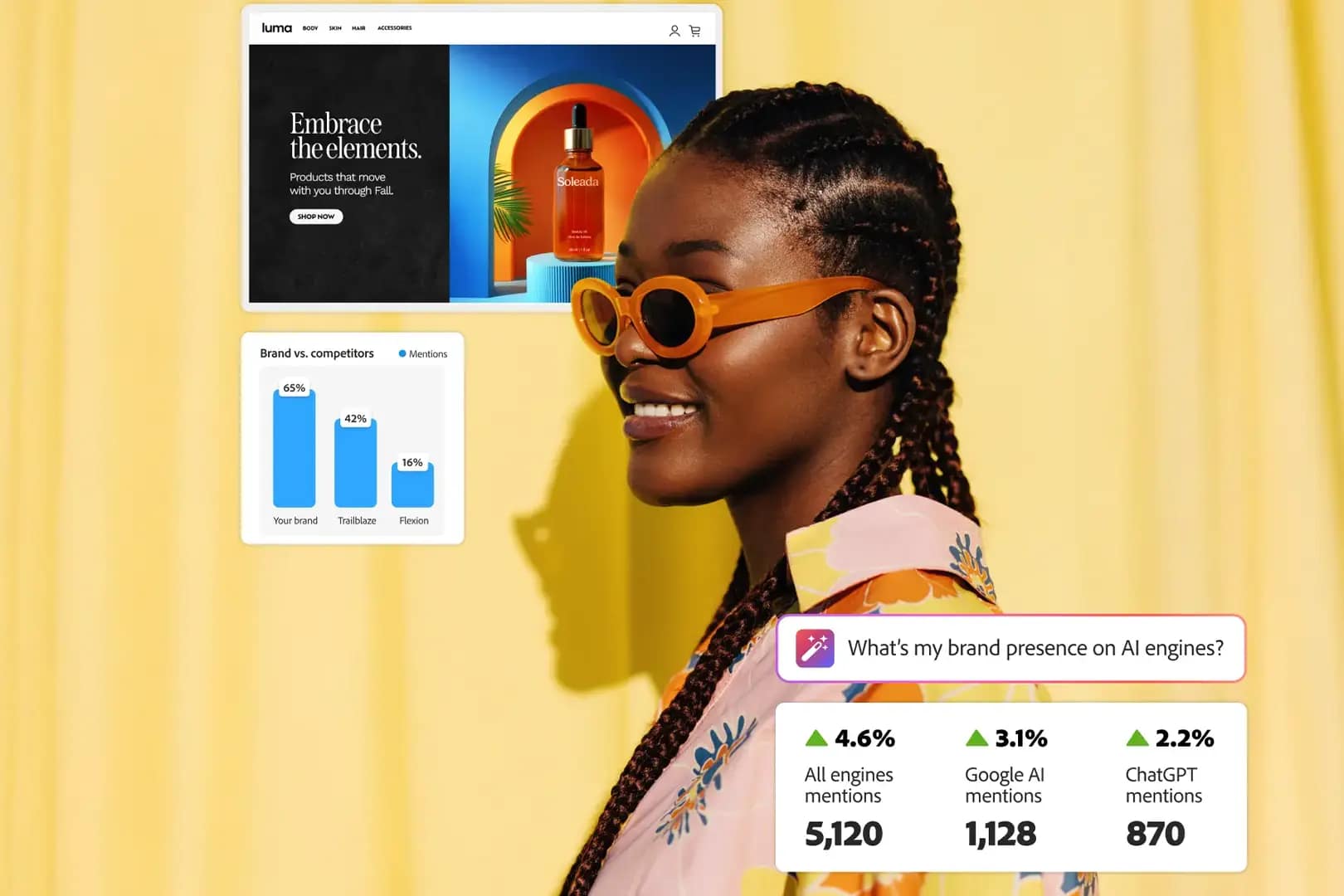

AI Identity Drift is the Slow, Unnoticed Erosion of Brand Voice
AI identity drift is the subtle erosion of a brand’s true voice as LLMs shape more of its communication. Here’s why it happens and how teams can prevent it.

AI Brand Fidelity: The Hidden Metric That Will Shape Customer Choices
Understand the hidden mechanics of AI Brand Fidelity and how consistent signals across the web strengthen the internal model AI systems use to describe your brand.

Why AI Prompt Loyalty is the Next Frontier of Customer Retention
Discover how Trularity’s AI prompt loyalty framework helps brands earn lasting retention by shaping how personal AI assistants recall and recommend them.

How the AI Feedback Loop Will Shape Brand Narratives by 2028
AI growth fuels narrative drift, where answers subtly shift over time. This hidden bias can change brand visibility and shape consumer decisions.
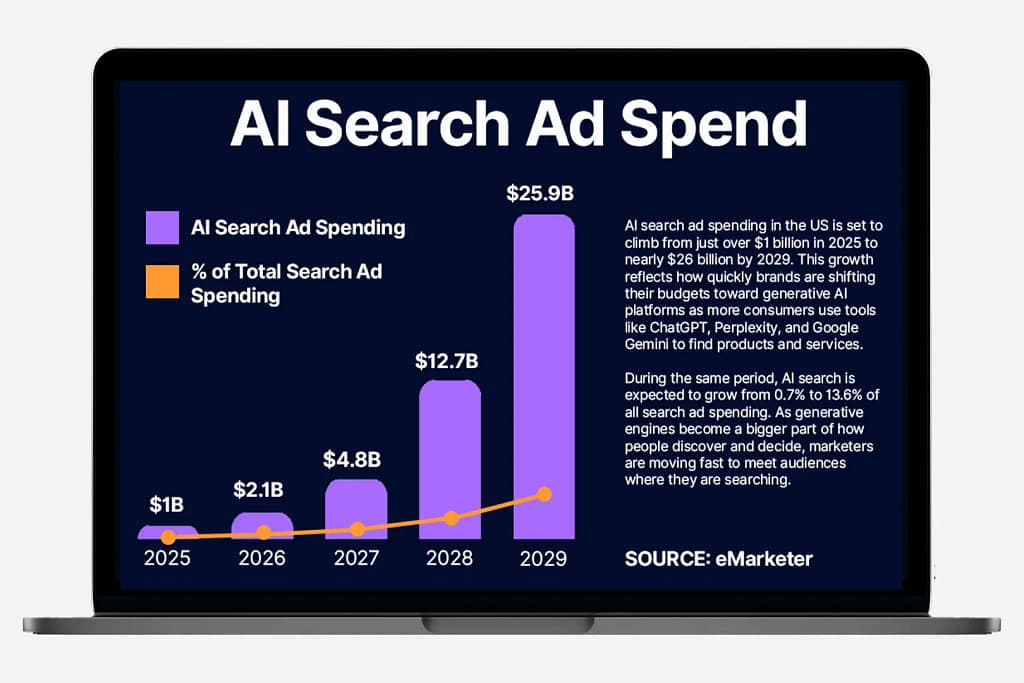
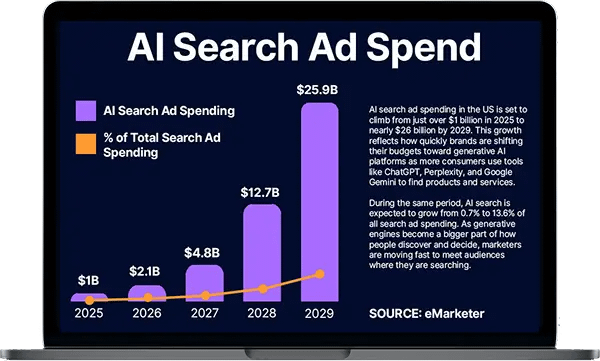
The AI Search Ads Forecast: $25.9 Billion by 2029
AI search ads could hit $25.9B by 2029, reshaping how brands reach consumers, but fewer clicks from AI summaries mean new strategies are essential.
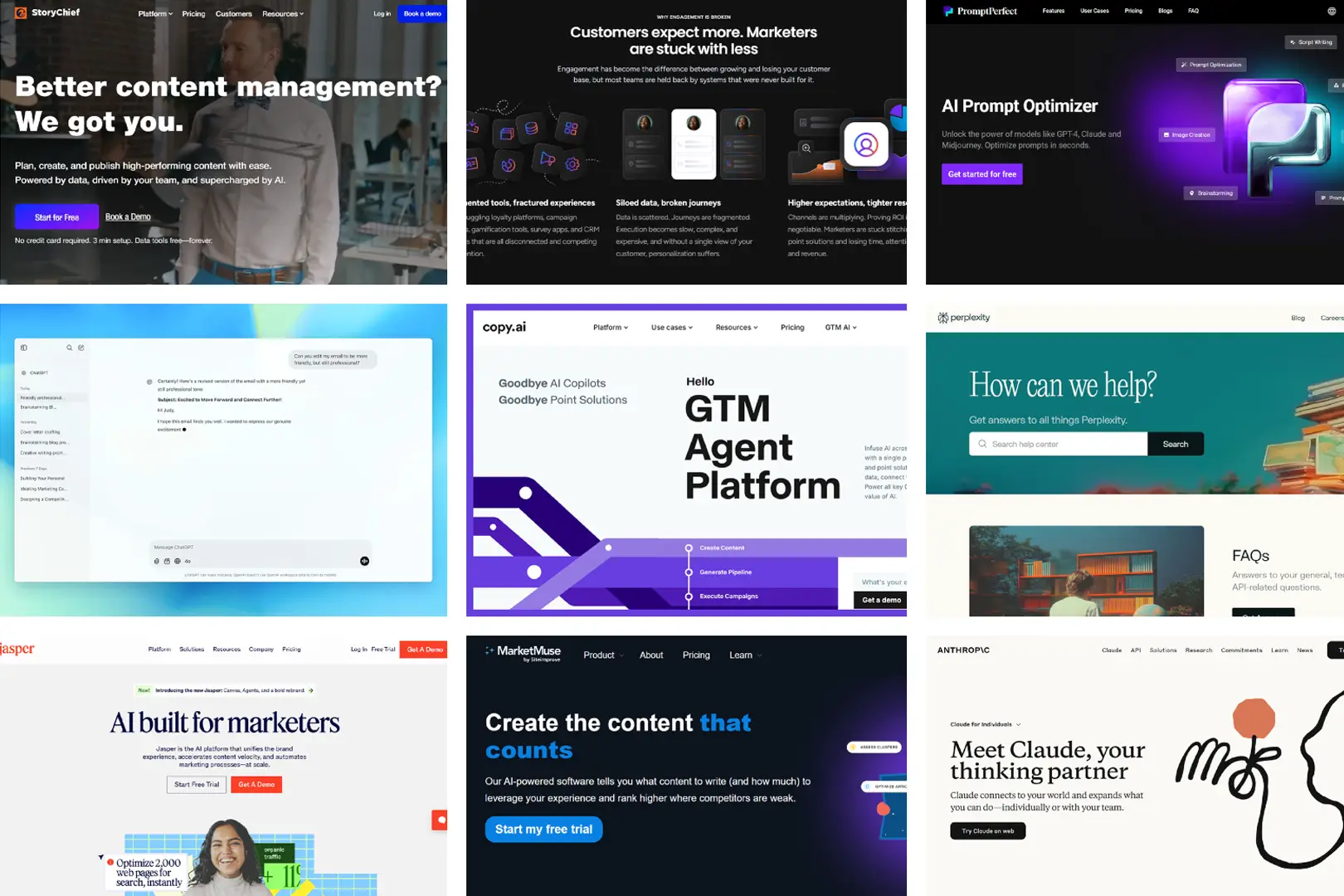
10 Best AI Search Visibility Tools for Content Optimization
We reviewed the top AI search visibility tools to find which platforms help brands surface in answers from ChatGPT, Claude, Perplexity, and other engines.
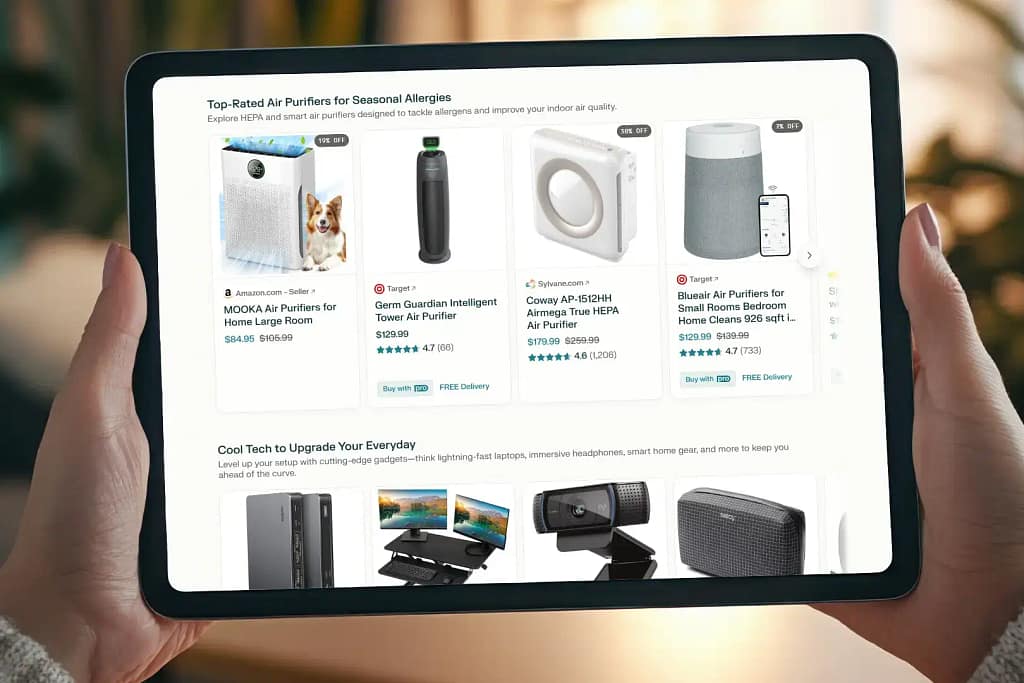
How to Be the First Brand Mentioned in AI Search
Curious how brands get featured first in AI search? We tested 30 prompts to learn how engines like ChatGPT and Perplexity pick winners. And how you can too.

Test Your AI Content Clarity Instantly with This Free Tool
Want to improve your AI content clarity? This free tool shows how your copy stacks up against a competitor’s and what makes content stand out in AI-generated answers.
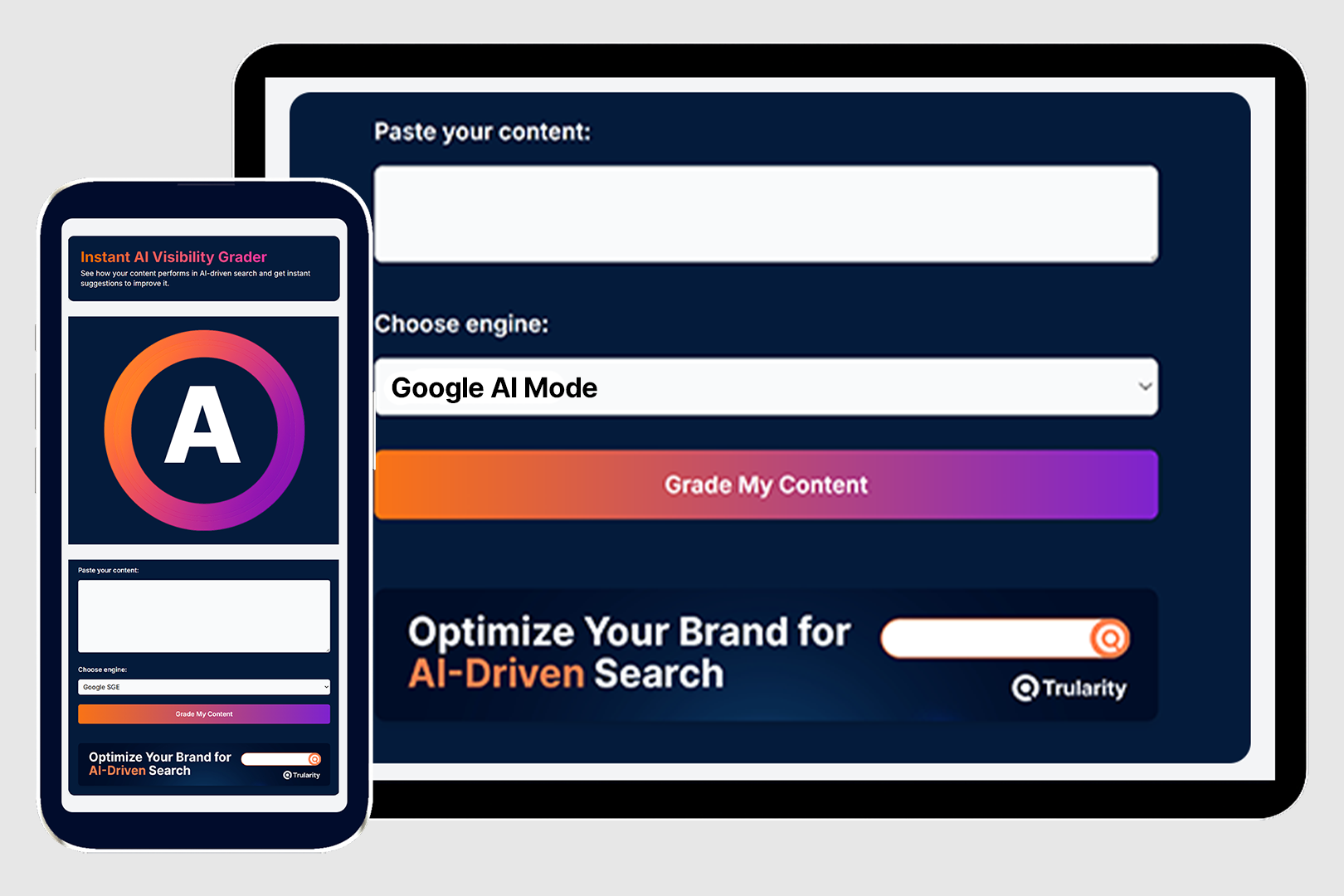
How to Check Your AI Visibility (and Improve It)
Want to boost your AI visibility? We built a free tool that shows how your content performs in AI search and what you can do to improve it.

TRENDING
FEATURED
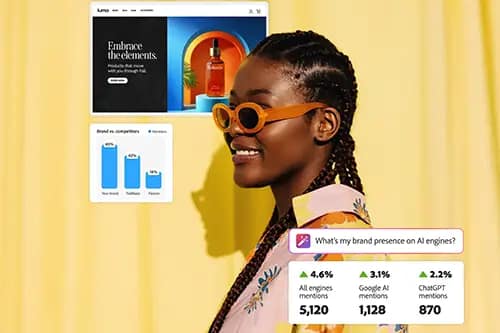
The Best LLM Optimizer (It's Not What You Think)
THE LATEST







Helping Brands Thrive in the Age of AI Search
AI is changing how customers ask questions, and how answers are delivered. Trularity helps brands stay visible in this new search landscape by decoding how AI engines like ChatGPT, Perplexity, and Claude surface content.
We combine hands-on research, prompt testing, and strategic analysis to show you what influences rankings inside generative answers and how your brand can stand out.
From custom tools and data breakdowns to in-depth reviews and visibility scans, Trularity gives you the clarity to earn attention, trust and traffic in the AI-first era.
Helping Brands Thrive in the Age of AI Search
AI is changing how customers ask questions, and how answers are delivered. Trularity helps brands stay visible in this new search landscape by decoding how AI engines like ChatGPT, Perplexity, and Claude surface content.
We combine hands-on research, prompt testing, and strategic analysis to show you what influences rankings inside generative answers and how your brand can stand out.
From custom tools and data breakdowns to in-depth reviews and visibility scans, Trularity gives you the clarity to earn attention, trust and traffic in the AI-first era.
Join the countless brand owners and marketers adapting to AI with confidence.
















Join the countless brand owners and marketers adapting to AI with confidence.
AI Marketing by the Numbers
AI is reshaping how brands connect with customers. As search and shopping habits evolve, brands that understand and adapt to these changes gain an edge. That’s where Trularity comes in. We help you uncover insights, strategies, and tools to thrive in this AI-driven landscape.
60%
of consumers say they’ve used AI to help them shop (Bloomreach)
$85B
projected global AI spend in retail by 2032 (Fortune Business Insights)
20%
boost in conversions for brands using AI-driven personalization (McKinsey)
AI Marketing by the Numbers
AI is reshaping how brands connect with customers. As search and shopping habits evolve, brands that understand and adapt to these changes gain an edge. That’s where Trularity comes in. We help you uncover insights, strategies, and tools to thrive in this AI-driven landscape.
60%
of consumers say they’ve used AI to help them shop (Bloomreach)
$85B
projected global AI spend in retail by 2032 (Fortune Business Insights)
20%
boost in conversions for brands using AI-driven personalization (McKinsey)

Original Research on AI Visibility
We run in‑depth experiments that reveal how AI search engines decide which brands and products to recommend. Every article is backed by real‑world prompts and transparent data. No guesses, no fluff. Discover insights you won’t find anywhere else, including evidence of how AI really works today, and what those signals mean for the future of visibility in AI-driven search and shopping.

Original Research on AI Visibility
We run in‑depth experiments that reveal how AI search engines decide which brands and products to recommend. Every article is backed by real‑world prompts and transparent data. No guesses, no fluff. Discover insights you won’t find anywhere else, including evidence of how AI really works today, and what those signals mean for the future of visibility in AI-driven search and shopping.
The Latest AI Data & Trends
We sift through the noise and break down the most important AI marketing research from leading sources like McKinsey & Company, Adobe and more. These articles summarize complex findings into clear, actionable insights so you can stay ahead of the trends shaping how consumers discover and buy through AI‑powered search and shopping.
The Latest AI Data & Trends
We sift through the noise and break down the most important AI marketing research from leading sources like McKinsey & Company, Adobe and more. These articles summarize complex findings into clear, actionable insights so you can stay ahead of the trends shaping how consumers discover and buy through AI powered search and shopping.
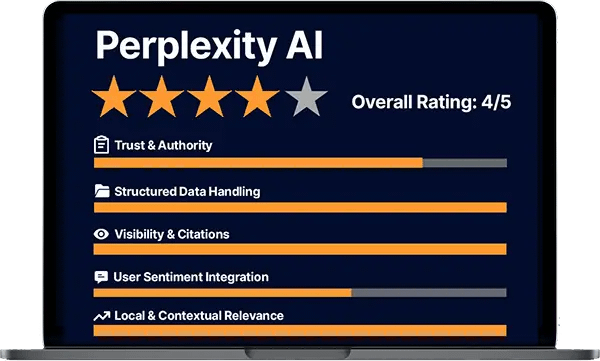
Honest Reviews of AI Tools & Engines
With new AI marketing tools launching every day, it’s hard to know which ones actually deliver and which are just hype. We cut through the noise with unbiased reviews of the latest platforms, evaluating each for clarity, trust, and whether it’s built to last you can focus on what’s worth your time and budget.
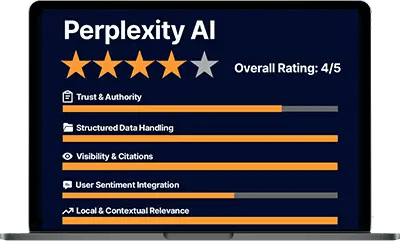
Honest Reviews of AI Tools & Engines
With new AI marketing tools launching every day, it’s hard to know which ones actually deliver and which are just hype. We cut through the noise with unbiased reviews of the latest platforms, evaluating each for clarity, trust, and whether it’s built to last you can focus on what’s worth your time and budget.
Proven Strategies for AI Search Discovery
Learn how to build a stronger presence in AI‑powered search and shopping environments. From understanding trust signals to crafting content that earns recommendations, our guides share actionable strategies to help your brand stand out where it matters most—today and tomorrow.


Proven Strategies for AI Search Discovery
Learn how to build a stronger presence in AI powered search and shopping environments. From understanding trust signals to crafting content that earns recommendations, our guides share actionable strategies to help your brand stand out where it matters most—today and tomorrow.
Custom Tools to Spot Gaps in Your AI Visibility
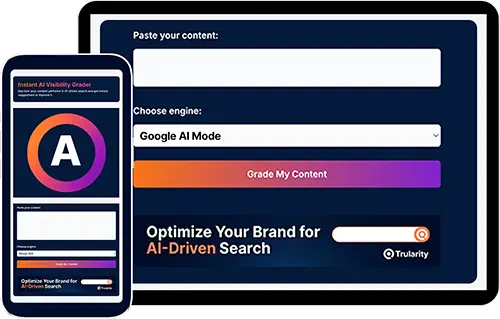
Is Your Content AI-Ready?

See How You Stack Up
Custom Tools to Spot Gaps in Your AI Visibility
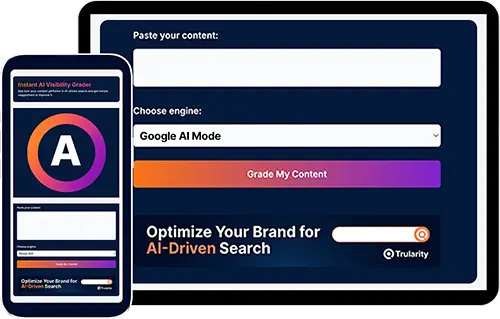
Is Your Content AI-Ready?
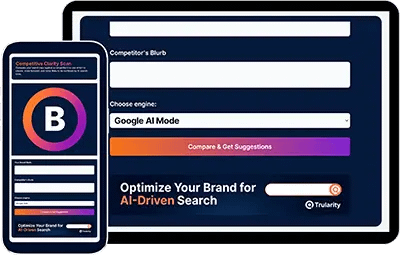
See How You Stack Up
Insights to Help You Win AI Marketing

AI Prompt Loyalty: The Next Frontier of Customer Retention
AI prompt loyalty could be the next retention battleground. Discover how customer prompts train assistants to recall your brand first.

How the AI Feedback Loop Will Shape Brand Narratives by 2028
AI’s feedback loop could rewrite your brand story. Learn how to spot drift early and shape narratives before algorithms do.
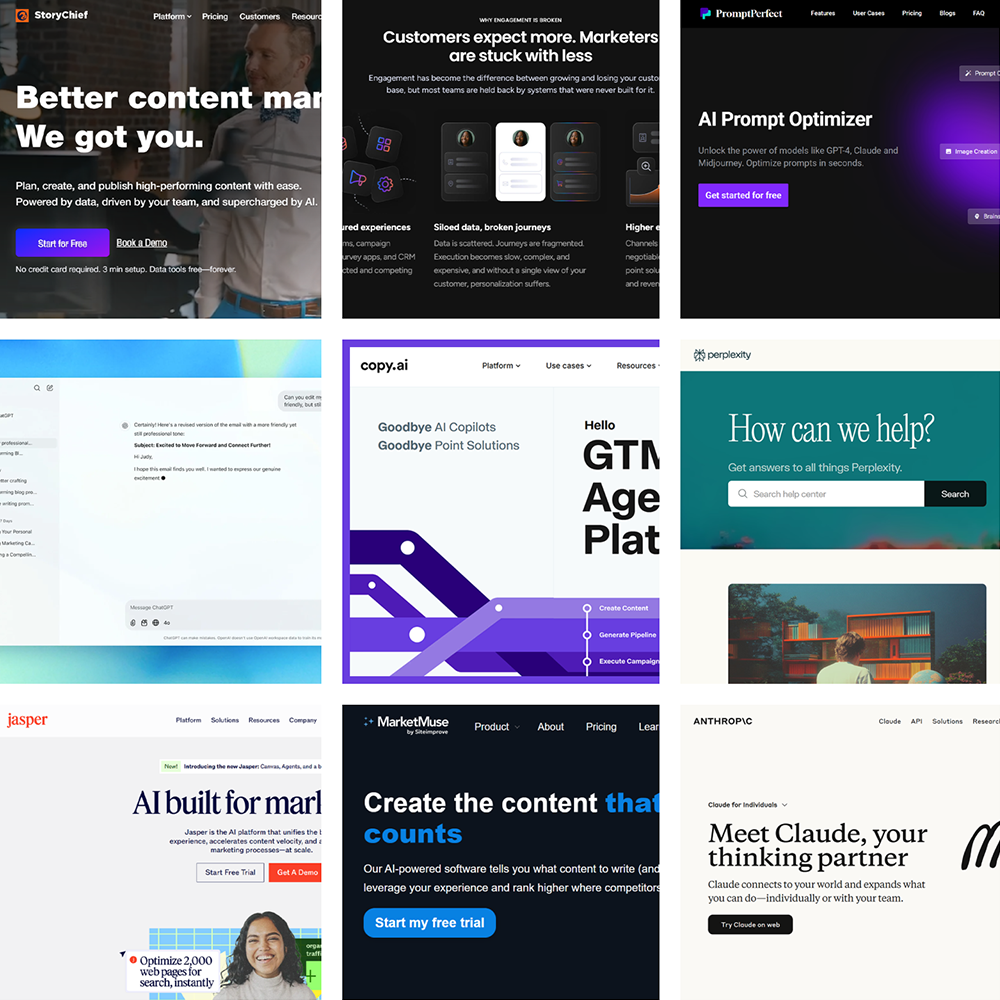
10 Best AI Search Visibility Tools for Content Optimization
We reviewed the top AI search visibility tools to uncover which ones best help brands surface in today’s leading AI engines.
Quick Answers to Big Questions about AI Search
What is AI Search Optimization?
AI Search Optimization is the practice of making your content visible in answers generated by AI tools like Google’s AI Overviews, ChatGPT, and Perplexity. These tools don’t just rank websites. They synthesize answers based on content they find across the web, including blogs, reviews, product descriptions, and forums.
Instead of relying on traditional SEO tactics like keyword density or backlinks alone, AI Search Optimization focuses on how your content is structured, where it shows up, and whether it sends the right trust signals. It’s about helping AI understand and include your brand in the answers people see.
Want a deeper dive into AI search optimization? This post explains how to position your content for maximum visibility in AI-powered results.
What is Generative Engine Optimization (GEO)?
Generative Engine Optimization, or GEO, is a content strategy designed specifically for AI-powered search tools like ChatGPT, Google’s AI Overviews, and Perplexity. These tools don’t just index websites. They actively interpret, summarize, and remix content from across the web to generate complete answers.
GEO focuses on how AI systems understand prompts, evaluate credibility, and decide which sources to include in their responses. It’s less about gaming algorithms and more about aligning with how generative engines actually think. Structure, context, and trust signals all play a major role.
Want to go deeper? Read our guide to Generative Engine Optimization and learn how to build content that shows up in AI-generated answers.
What is Google AI Mode?
Google AI Mode is part of Google’s shift toward conversational search. Instead of just showing a list of blue links, it responds to your query with a direct, AI-generated answer. These answers are built using real-time data, product information, and summaries pulled from a range of online sources.
The goal is to help users get what they need faster, often without ever leaving the search results. For brands, that means visibility depends on whether your content is clear, structured, and trustworthy enough to be included in those AI-generated responses.
Want to learn how to stay visible in this new format? Check out our guide to optimizing for Google AI Mode.
How does ChatGPT choose products?
ChatGPT pulls from a wide mix of online content, including product listings, reviews, blog posts, and more. It doesn’t just look at one source. It scans across the web for information that feels relevant, clearly written, and trustworthy based on the prompt it’s responding to.
It favors content that’s well-structured, consistently available, and aligned with what users are actually asking. That means if your brand’s content is scattered, unclear, or lacks authority signals, it’s less likely to be included in the final answer.
Want to see how this works in action? Here’s how to optimize Amazon product listings for ChatGPT and improve your chances of being featured.
How does Google AI Mode rank content?
Google AI Mode breaks your search query into smaller parts, then scans trusted sources across the web to build a smart, synthesized answer. These responses aim to deliver clear, accurate information right in the search results, often letting users skip the click altogether.
To make the cut, Google selects content that is high‑quality, clearly written, and aligned with what people are asking. It favors well‑structured pages with strong trust signals and concise relevance to the topic.
Want to increase your odds of being featured? Learn how to optimize for Google AI Mode so your content stands out in the mix.
Why doesn’t AI link to my site?
AI tools summarize information by pulling from a range of sources across the web. To get your brand mentioned directly in those answers, not just influence them behind the scenes, your content needs to check a few key boxes.
It should be clear, easy to understand, and genuinely helpful. Just as important, it needs to be referenced or supported by other trusted sources. AI systems weigh credibility by looking at how often your content is cited or echoed elsewhere online, whether that’s through reviews, expert blogs, or product comparisons.
Getting mentioned is not just about writing good content. It is about building a presence that feels reliable, consistent, and visible across the right channels.
Can I optimize Amazon listings for ChatGPT?
Yes, and you should. AI tools like ChatGPT often reference product listings when generating shopping advice or recommendations. To improve your chances of being included, your listings need to sound helpful and human, not just packed with specs.
Use bullet points and descriptions that answer real shopper questions. What problem does your product solve? What makes it different? What do people love about it? The more your listing reads like a clear, useful answer, the more likely it is to show up in AI-generated content.
Also, make sure your product appears on third-party sites like reviews and blogs. Tools like ChatGPT pull from a wide mix of sources, so having a presence beyond your own listing strengthens your visibility.
Want a step-by-step guide? Check out our post on optimizing Amazon products for ChatGPT.
What’s the difference between AI search and traditional SEO?
Traditional SEO is focused on ranking your web pages in a list of search results. Success means showing up near the top when someone types in a relevant query. AI search works differently. It doesn’t just list links. It generates answers by pulling and synthesizing information from across the web.
That means your goal isn’t just to rank anymore. It’s to become a trusted source that AI includes in its response. Content structure, clarity, and credibility all matter more than ever. You need to think about how AI systems interpret content and what signals help them choose your brand as part of the answer.
Need help navigating the terminology? Check out our ultimate glossary of AI search terms for quick explanations of the most important concepts.
Quick Answers to Big Questions about AI Search
What is AI Search Optimization?
AI Search Optimization is the practice of making your content visible in answers generated by AI tools like Google’s AI Overviews, ChatGPT, and Perplexity. These tools don’t just rank websites. They synthesize answers based on content they find across the web, including blogs, reviews, product descriptions, and forums.
Instead of relying on traditional SEO tactics like keyword density or backlinks alone, AI Search Optimization focuses on how your content is structured, where it shows up, and whether it sends the right trust signals. It’s about helping AI understand and include your brand in the answers people see.
Want a deeper dive into AI search optimization? This post explains how to position your content for maximum visibility in AI-powered results.
What is Generative Search Optimization?
Generative Search Optimization (GEO) focuses on how AI systems understand prompts, evaluate credibility, and decide which sources to include in their responses. It’s less about gaming algorithms and more about aligning with how generative engines actually think. Structure, context, and trust signals all play a major role.
Read our guide to Generative search optimization and learn how to build content that shows up in AI-generated answers.
What is Google AI Mode?
Google AI Mode is part of Google’s shift toward conversational search. Instead of just showing a list of blue links, it responds to your query with a direct, AI-generated answer. These answers are built using real-time data, product information, and summaries pulled from a range of online sources.
The goal is to help users get what they need faster, often without ever leaving the search results. For brands, that means visibility depends on whether your content is clear, structured, and trustworthy enough to be included in those AI-generated responses.
Want to learn how to stay visible in this new format? Check out our guide to optimizing for Google AI Mode.
How Does ChatGPT Choose Products to Recommend
ChatGPT pulls from a wide mix of online content, including product listings, reviews, blog posts, and more. It doesn’t just look at one source. It scans across the web for information that feels relevant, clearly written, and trustworthy based on the prompt it’s responding to.
It favors content that’s well-structured, consistently available, and aligned with what users are actually asking. That means if your brand’s content is scattered, unclear, or lacks authority signals, it’s less likely to be included in the final answer.
Want to see how this works in action? Here’s how to optimize products for ChatGPT and improve your chances of being featured.
How Does Google AI Mode Recommend Products?
Google AI Mode breaks your search query into smaller parts, then scans trusted sources across the web to build a smart, synthesized answer. These responses aim to deliver clear, accurate information right in the search results, often letting users skip the click altogether.
To make the cut, Google selects content that is high quality, clearly written, and aligned with what people are asking. It favors well structured pages with strong trust signals and concise relevance to the topic.
Want to increase your odds of being featured? Learn how to optimize products for ChatGPT so your content stands out in the mix.
Why Doesn't AI Link to My Site?
AI tools summarize information by pulling from a range of sources across the web. To get your brand mentioned directly in those answers, not just influence them behind the scenes, your content needs to check a few key boxes.
It should be clear, easy to understand, and genuinely helpful. Just as important, it needs to be referenced or supported by other trusted sources. AI systems weigh credibility by looking at how often your content is cited or echoed elsewhere online, whether that’s through reviews, expert blogs, or product comparisons.
Getting mentioned is not just about writing good content. It is about building a presence that feels reliable, consistent, and visible across the right channels.
Can I Optimize Amazon Listings for ChatGPT?
Yes, and you should. AI tools like ChatGPT often reference product listings when generating shopping advice or recommendations. To improve your chances of being included, your listings need to sound helpful and human, not just packed with specs.
Use bullet points and descriptions that answer real shopper questions. What problem does your product solve? What makes it different? What do people love about it? The more your listing reads like a clear, useful answer, the more likely it is to show up in AI-generated content.
Also, make sure your product appears on third-party sites like reviews and blogs. Tools like ChatGPT pull from a wide mix of sources, so having a presence beyond your own listing strengthens your visibility. Want a step-by-step guide? Check out our post on optimizing Amazon products for ChatGPT.

CONNECT